How do you thank someone who gave up a piece of themselves for you? How do you express gratitude for feeling alive again after a period of suffering enormous fatigue, nausea, fear and depression?
My sister and my father did this for me – they each gave up a kidney to save my life.
14 years ago, my father and I were on the table, and these fourteen years have enabled me not only to smile and hug my family and friends, but also to have a child of my own and start and build a thriving life sciences company that serves patients and promotes innovation.
This past week, my younger sister Lisa did the same for me. Her kidney came alive in my body immediately on the OR table and normalized my kidney values within two days of the operation. It is hard to describe my feelings and my energy levels other than as “hyper”.
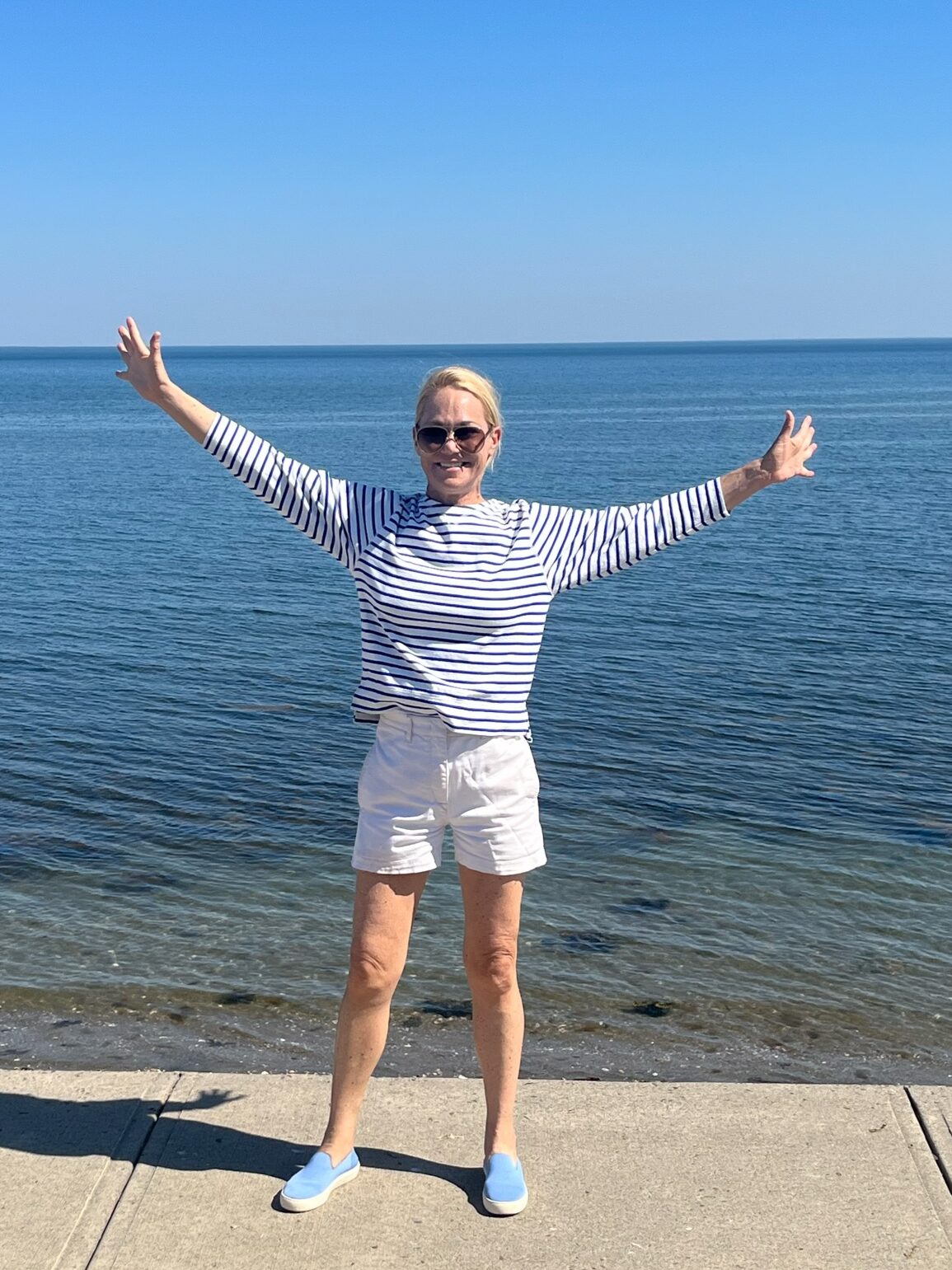
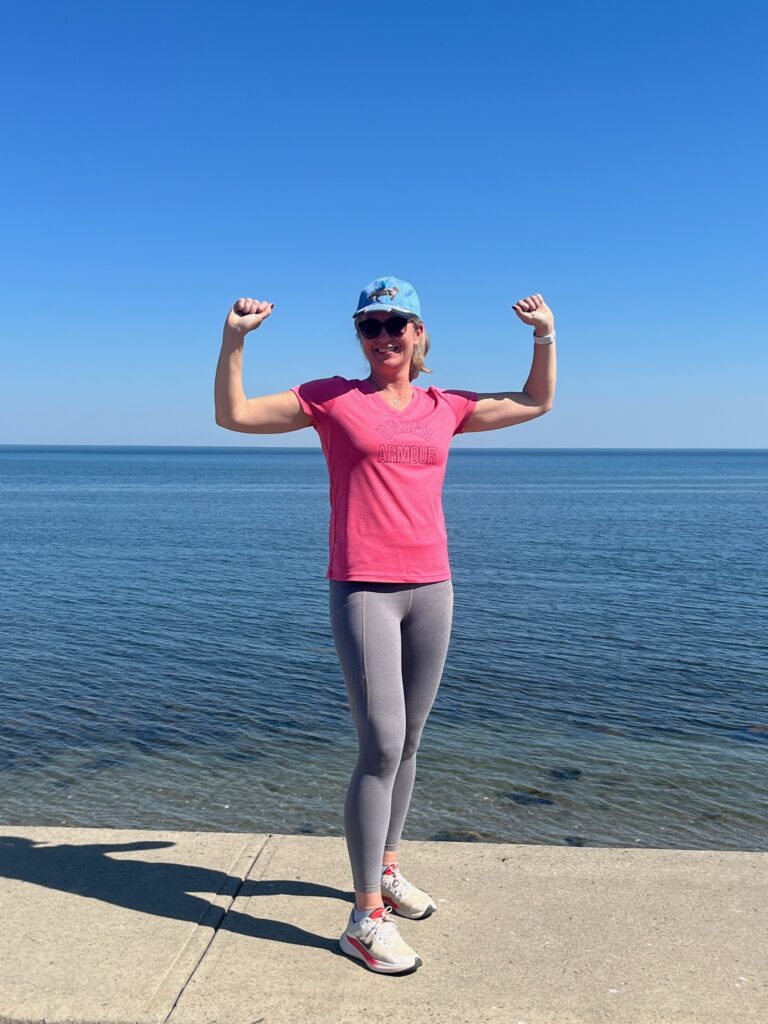
I want to run, laugh, hug, scream and jump for joy. I want to bring joy to others, smiling to every person I meet, including the incredible staff at Columbia Presbyterian, led by the amazing Dr. Lloyd Ratner. He has assembled a team of surgeons, physicians, scientists, nurses, physician assistants (PA), technologists, social workers, occupational therapists, and other staff who work tirelessly under very hard conditions. They are heroes, together with the donors who give us recipients a second (or third) chance of life.
So what am I going to do with this gift?
I will live every day to the fullest, which doesn’t mean I will do as much as I can every day, but I will measure myself and take care of my new “baby” so that it can serve me as long as possible.
I will take care of my body by eating right, sleeping enough, exercising regularly and practicing mental health through meditation and mindfulness. I will be kind to myself when I feel tired, and I will be respectful to others and always keep in mind that the exterior of someone is not always a reflection of their inner self. I will cherish my friends who have stood by me through the hardship of kidney failure and dialysis.
I will continue to serve patients through my work. I will partner with great companies and leaders in academia to promote innovation. I will provide opportunities for my team to both grow professionally while also taking care of their families.
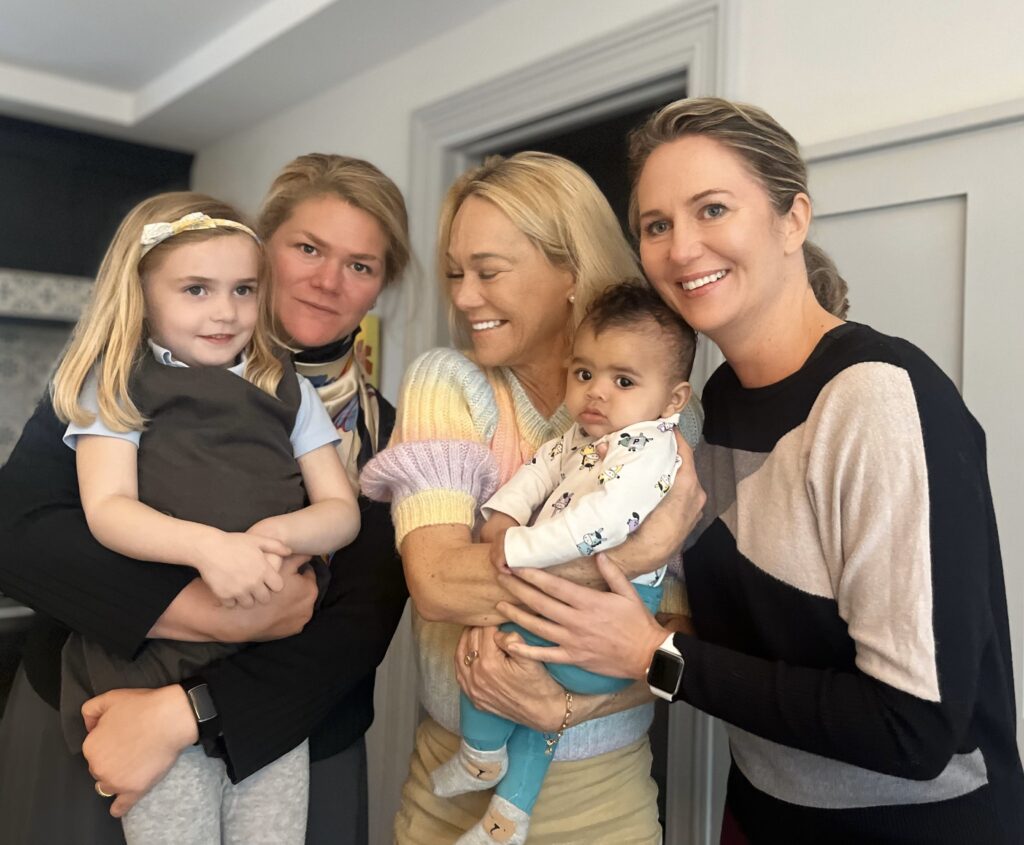
Above all, my life is dedicated to the family who saved me, and my own little family, whom I am raising with all of my heart. I appreciate each of my sisters, parents, brothers in law, nieces and nephews, and especially my daughter.
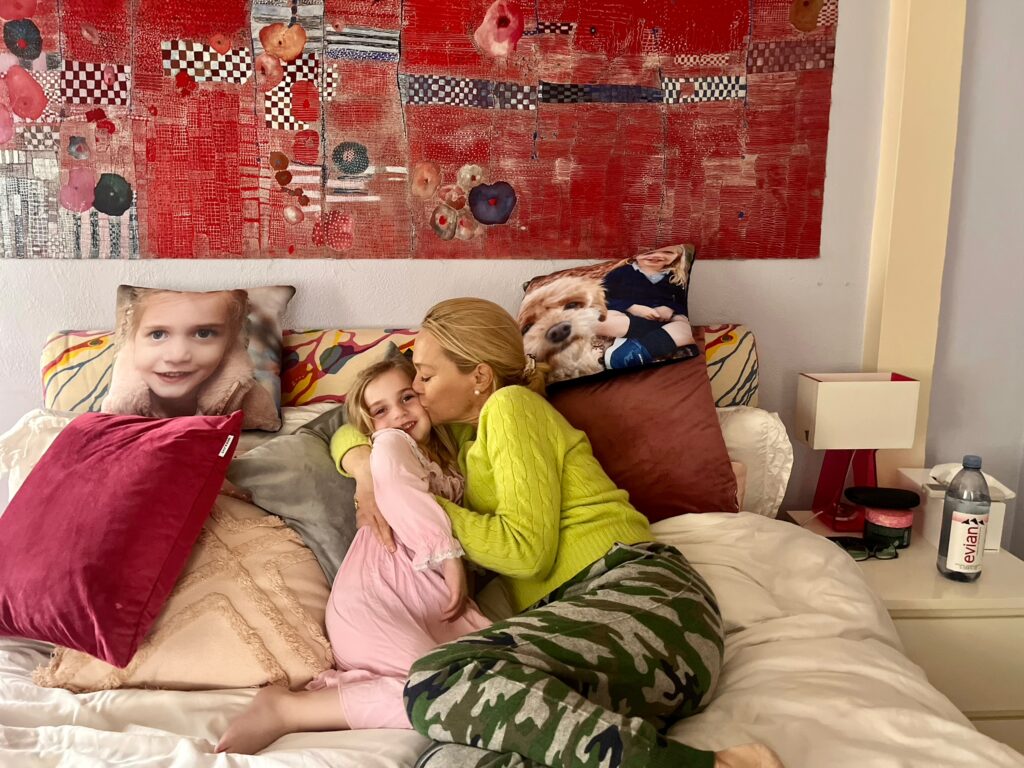
To my daughter, I want to show that life may not be a walk in the park – you need to fight for what you want – but it is beautiful. I want her to know that she will always be taken care of, and endlessly loved by, her Mamma.
Continue reading part 5 of Karin’s journey: Going Home
Going home from the hospital was, in many ways, the best experience, but it was also a scary one.
I got to hold my daughter, sleep in my bed, take a shower and eat what and when I wanted to.
However, the protective nature of the hospital and its personnel was lost, and it scared me a little.
Those wonderful nurses, the long line of doctors rounding each morning, even the food cart with its very mediocre yet nutritious food that was given to me on a tray. Do I actually miss this?
Now everything was up to me.
Taking my pills at the right time, measuring my weight and blood pressure daily, making my bed, and being social in a way I had not needed before.
All this took energy. Frankly, it gave me a little fear.
It is interesting since I am, in many ways, a control freak. I crave being in charge of my own actions and outcomes. Yet in four short days I had forfeited that responsibility and surrendered to the hospital.
It took me a full day, but on Day 6, which is Day 2 at home, I feel more myself again. Now I am already longing to drive myself, to be “back” fully.
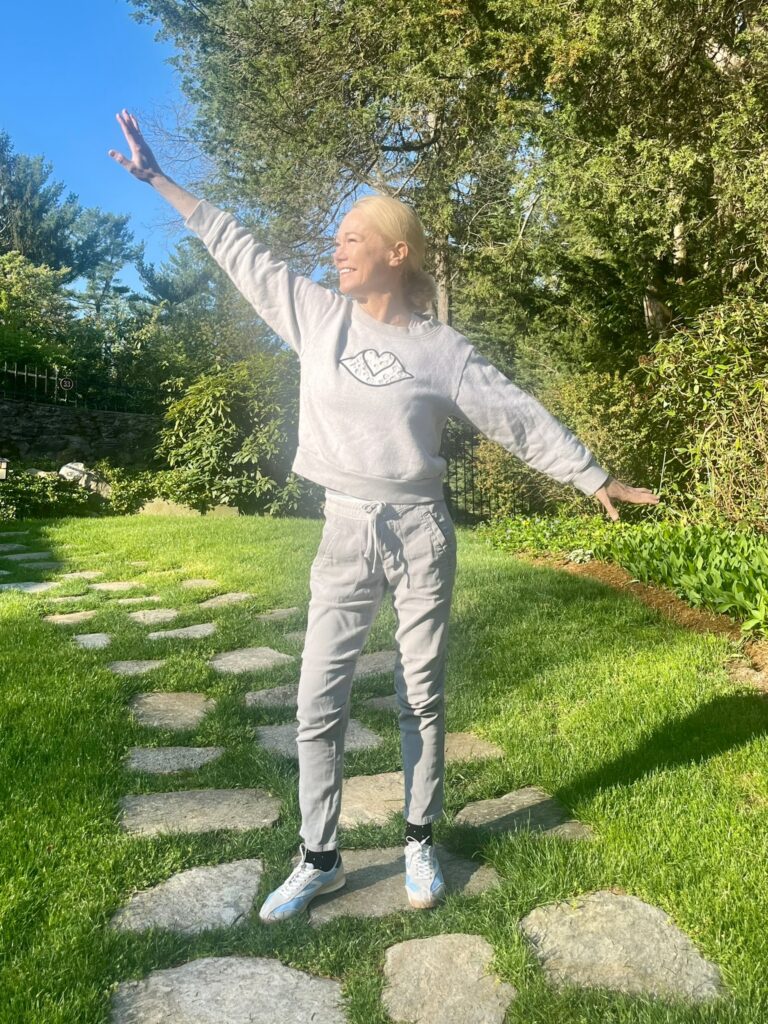
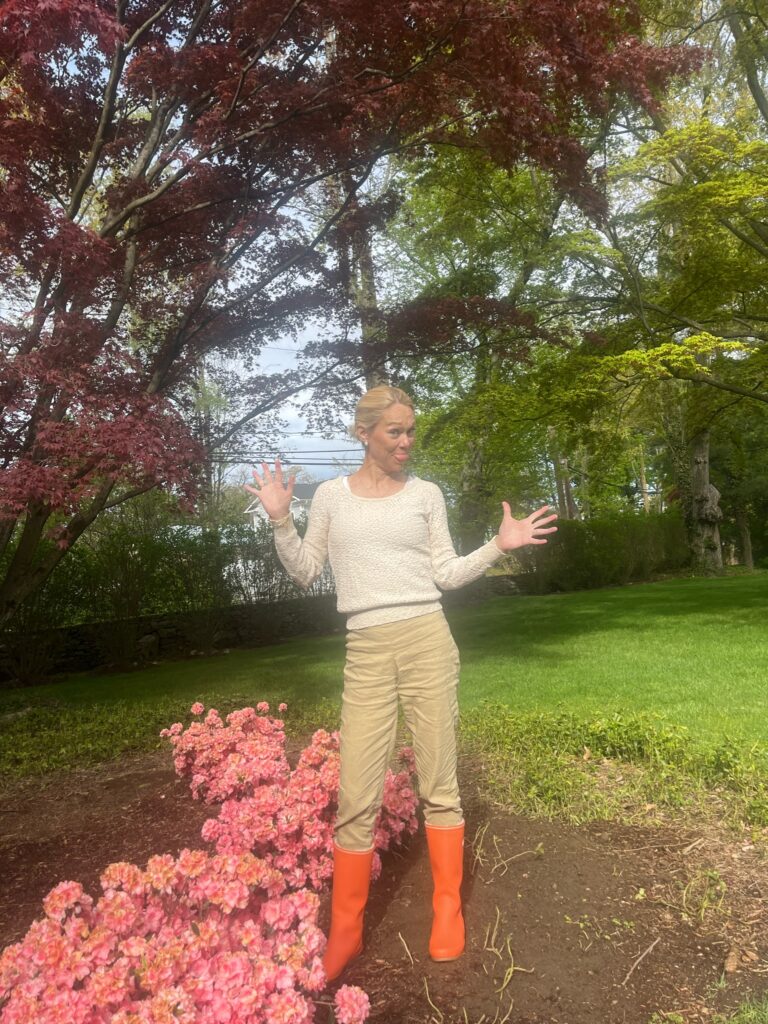
My promise remains true, to myself and to my family, to take it slow. So my energy is going to be expended toward walks, conversations with my sister, story time with my daughter, and planning for a beautiful garden this spring!
May 14, 2023
Treat yourself with grace. Every day is different. Some days you can be a superhero and some days you can’t get out of bed. Both are equally beautiful and important.
April 12, 2023
March 16, 2023
March 16, 2023
January 19, 2023
Dr. Alin Gragossian is a physician with dual certifications in emergency medicine and critical care. She’s also a heart transplant recipient. In what seemed like a split second, everything changed as she went from doctor to patient and changed the course of her career and her life forever.
A volunteer opportunity during high school was the spark Alin needed to ignite her passion for medicine. Born in L.A., she attended medical school in Tennessee before moving to the Philadelphia / New York area for residency. She knew she wanted to work in emergency medicine before beginning her residency, a demanding specialty known for its intensity. Being healthy throughout her life, Alin was up for the challenge. It was here everything began to change.
Towards the end of her emergency medicine residency, one of Alin’s attending physicians noticed unusual symptoms, like taking extended pauses to catch her breath. What Alin thought was just a cold turned out to be anything but, and after one shift, she left the ER only to return hours later, this time as a patient.
Doctors discovered that Alin, a seemingly healthy medical professional in her early thirties, was in acute heart failure. Later on, Alin found that the cause of her heart failure was familial dilated cardiomyopathy, which also affected her father.
She was listed for an emergency heart transplant and transferred from where she worked in Philadelphia to the University of Pennsylvania. Alin describes it as “going from normal, healthy adult to heart transplant patient” in weeks.
Around a week post-transplant, Alin got discharged from the hospital and went home to recover. In June, she returned to finish her residency with a renewed perspective, one that gave her the desire to get involved and raise awareness for the importance of organ donation and transplantation.
3-4 months post-transplant, Alin was able to make a connection with her donor family. Utilizing the local organ procurement agency (OPO), Alin exchanged formal letters with her donor’s mom, Laura. After a year, Alin and Laura decided they wanted to connect directly rather than relying on a third party, such as the hospital or OPO. This communication is how Alin began to learn about Lucy, her donor. Lucy also worked in the medical field. She was a respiratory therapist, loved animals, and had a big family. She was 23 when she died because of a sudden brain cyst rupture.
Recently, Alin had the opportunity to meet Laura and her family, an experience she describes as “a surreal, beautiful and bittersweet experience. A story that transcends life itself.”
Post-transplant patients often wonder where to find a community and who they can talk to. In our conversation, Alin highlights the need for peer-to-peer support. She searched hashtags and found connections with other transplant recipients through social media.
“There are tons of doctors I could talk to, but they are never going to understand what I’m going through,” Alin said. “They understand the science, but they don’t understand the needs of a specific patient. When I leave the hospital, I don’t always have the doctors. I need places to get that support.” She also notes that as a physician, while there are textbooks and medical journals, there needs to be more conversation with patients focusing on lived experience.
When I asked Alin for her thoughts on returning to work and reintegrating into life post-transplant, she shared many of the same concerns as her transplanted peers. Being young and just starting a career, there are many challenges in returning to “normal.” She poignantly described the necessity of processing the old life she was losing before she could integrate into her new life post-transplant. Even if there are many ways to go back to what life was before, the life that exists post-transplant will never be identical. Learning to live one day at a time, Alin says, focusing on the moment and knowing that things take time are what helped her transition to celebrate the life she has now.
Check out Both Sides of the Stethoscope, a podcast hosted by two heart transplant recipients and physicians, Alin by Alin Gragossian and Colby Salerno. You can connect with Alin on Instagram at @a_change_of_heart_blog.
Do you need support? Check out transplantlyfe.com and join our community!