
What is Xenotransplantation?
Xenotransplantation is the process of transplanting organs, tissues, or cells from one species to another. Scientists are exploring the use of pig organs for human transplantation because pigs have organs that are similar in size and function to human organs. This research is helping to address the shortage of human donor organs.
Why Pigs?
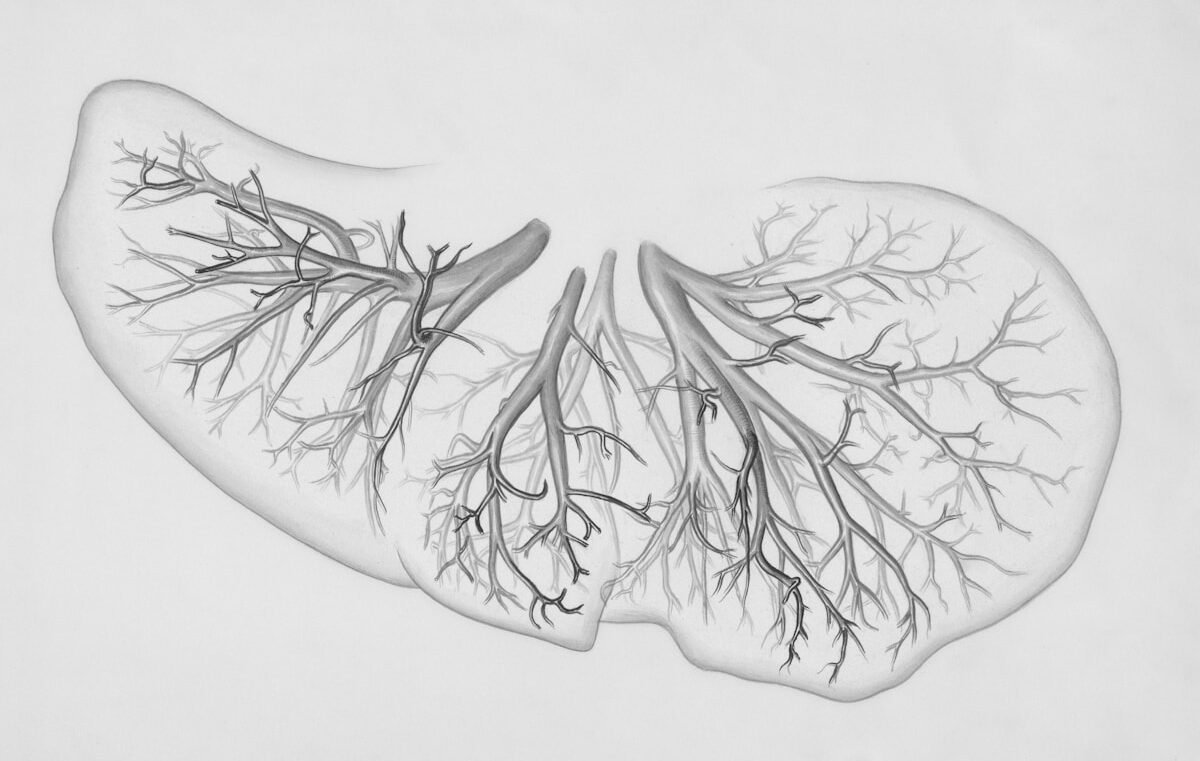
Pigs have been chosen for xenotransplantation for several reasons: Their organ size and function are close to that of humans; they reproduce quickly, allowing for a steady supply of organs; and scientists can genetically modify pigs to make their organs more compatible with the human immune system. Additionally, pig-derived medical products such as heart valves, insulin, and skin grafts have been used successfully in humans for decades.
What This Means for Patients
Patients who are not eligible for human transplants due to medical complexity may benefit from xenotransplants in the future. If xenotransplantation becomes widely available, it could mean:
- More available organs for patients on the transplant waitlist.
- Potentially faster access to life-saving transplants.

Where Are Pig Organs and Tissues Already Being Used?
While full organ transplants from pigs to humans are still in the early stage, some pig-derived tissues and cells are already being used in medical treatments, including:
- Heart Valves: Pig heart valves have been successfully implanted in humans for decades and are commonly used in valve replacement surgeries.
- Skin Grafts: Pig skin is used as a temporary covering for burn victims while waiting for human skin grafts.
- Corneal Transplants: Pig corneas are being explored as a treatment option for human eye diseases.
- Pancreatic Cells: Pig-derived pancreatic cells are being researched for their potential in treating type 1 diabetes by producing insulin in humans.

A Brief History of Xenotransplantation
Xenotransplantation is not a new concept. Scientists and doctors have been exploring the possibility of using animal organs in humans for over a century. Here are some key milestones:
- 1905: French surgeon Mathieu Jaboulay attempted the first xenotransplants by using pig and goat kidneys in human patients. However, these early attempts failed due to immediate rejection.
- 1963: Dr. Keith Reemtsma at Tulane University transplanted chimpanzee kidneys into humans. One patient survived for nine months before succumbing to organ rejection.
- 1984: Baby Fae, an infant born with a fatal heart defect, received a baboon heart transplant. Unfortunately, she only survived for 21 days due to immune rejection.
- 1990s: Advances in immunosuppressive drugs and genetic engineering improved the chances of xenotransplantation success.
- 2010s: Scientists began developing genetically modified pigs to remove the sugar molecule Gal-1,3-Gal, which triggers human immune rejection.
- 2022: A genetically modified pig heart was successfully transplanted into a human patient for the first time. The patient survived for two months, marking a significant milestone in xenotransplantation research.
- 2024:
- March: Richard Slayman became the first person to receive a genetically modified pig kidney transplant at Massachusetts General Hospital. The kidney functioned well, though he passed away in May from unrelated causes.
- April: Lisa Pisano underwent a pig kidney transplant combined with a heart pump at NYU Langone Health. The kidney was later removed after 47 days.
- November: Towana Looney, a dialysis patient for eight years, received a pig kidney transplant at NYU Langone Health. Her kidney was removed after 4 months.
- December: eGenesis received FDA approval to perform up to three pig‐kidney transplants in humans under a Compassionate Use (Expanded Access) protocol. This clearance allowed them to proceed with individual transplants before starting formal clinical trials.
- 2025:
- January: Tim Andrews received a pig kidney transplant at Massachusetts General Hospital. The kidney lasted a record 271 before being removed. Andrews has returned to dialysis.
- February: United Therapeutics received FDA clearance to begin clinical trials on gene-edited pig kidneys, with the first human transplant expected in mid-2025.
- June: Bill Stewart received a pig kidney transplant at Massachusetts General Hospital. As of October 2025, the kidney is functioning well.
- September: A new eGenesis trial is approved to provide gene-edited pig kidney transplants to 30 people age 50 or older who are on dialysis and the transplant list. Another developer of gene-edited pig organs, United Therapeutics, is about to start enrolling people in a similar FDA-approved study.
- 2026
- January: Tim Andrews a received a human kidney transplant becoming the first person to receive one after a pig kidney.
Key Players in Xenotransplantation Today
Several institutions are leading the way in xenotransplantation research:
- Massachusetts General Hospital (MGH): Conducted the first pig kidney transplant in a living human (2024) and continues to perform pig transplant and clinical research.
- NYU Langone Health: Has performed multiple pig kidney transplants and continues clinical research.
- University of Maryland Medical Center: Conducted the first pig heart transplant in a human in 2022 and continues xenotransplantation research.
- Columbia University: As part of its Kidney and Pancreas Transplant Program, scientists are conducting research across immunology and xenotransplantation to achieve induction of xenograft tolerance.

The Biggest Challenge: Organ Rejection
One of the main obstacles in xenotransplantation is that the human immune system sees pig organs as foreign and attacks them immediately, a reaction called hyperacute rejection. This is mainly because pig cells have a sugar molecule called Gal-1,3-Gal, which human bodies recognize as a threat. Rejection isn’t just immune-based — coagulation (blood clotting) is also a key hurdle in pig-to-human transplants.

How Scientists Are Solving This Problem
Researchers have developed several strategies to overcome rejection:
- Genetic Modification of Pigs – Scientists have removed the Gal-1,3-Gal sugar from pig cells using gene-editing technology. This makes pig organs less likely to trigger an immune attack.
- Improving Immune Compatibility – By selectively breeding pigs with certain immune system traits, scientists have increased the success rate of organ acceptance in animal studies.
- Short-Term Immunosuppression – Just like with human organ transplants, medications can be used to temporarily suppress the immune system and help the body accept the new organ.

Where Are We Now?
As of 2025, several patients have received genetically modified pig kidneys that functioned without hyperacute rejection, marking significant progress. Xenotransplantation is still in the early stage, but progress is being made. Recent studies have shown that genetically modified pig kidneys and hearts can function in human recipients for extended periods. Researchers continue to refine the process to make xenotransplantation safer and more effective.

What’s Next?
Ongoing research is focusing on:
- Further improving genetic modifications to prevent rejection.
- Ensuring long-term survival of transplanted pig organs in human patients.
- Understanding how xenotransplantation might impact overall health and longevity.
- Immunology and tolerance to reduce (or eliminate) the need for immunosuppressive medication (moonshot goal!)

Final Thoughts
Xenotransplantation has the potential to revolutionize organ transplantation, offering hope to patients in need of life-saving organs. The goal is not to replace human donors, but to expand access and save lives where human options fall short. While it is not yet widely available, rapid advancements in research are bringing us closer to making it a reality.